How to Choose a Locksmith You Can Actually Trust
When you call a locksmith, you are letting someone work directly on the security of your home, car or business. This guide shows you simple green flags and red flags so you can choose a locksmith you feel confident about.
Why choosing the right locksmith matters
A locksmith sees your locks, your doors and sometimes even your alarm or access systems. In other words, you are giving this person a close look at how you protect your home or vehicle. That is why it is so important to choose a locksmith who is professional, transparent and trustworthy.
The good news is that you do not need special technical knowledge. A few simple signs can tell you a lot about the company you are dealing with.
Green flags: good signs you are dealing with a professional
Start with the positive side. These are good signs that usually mean you are dealing with a serious locksmith service:
- Clear company name and branding: The business has a real name, logo and contact details. You see the same name on the website, invoices and vehicle.
- Local presence: There is a local phone number and a clear service area, not only a generic call center with no real address.
- Upfront price range: When you call, they can give you a reasonable price range for a typical job at your location and explain what might change the price.
- Written or digital invoice: You receive a proper invoice that lists the service, parts and final amount.
- Professional communication: The technician explains what they plan to do, answers questions and treats you with respect.
No company is perfect, but several of these green flags together are a strong sign that you are in good hands.
Red flags: warning signs to take seriously
On the other side, there are warning signs that should make you step back or at least ask more questions:
- No real name: The advertisement only says something like Locksmith Service with no clear company name, website or legal information.
- Very low phone quote: The price sounds unrealistically low and then increases a lot once the locksmith arrives.
- Refusal to give a price range: The person on the phone will not give any estimate at all, even for very standard jobs such as a simple house lockout.
- No invoice: You are asked to pay in cash without any written record of what was done or how much you paid.
- High pressure tactics: You feel pushed to say yes quickly or told that everything is an extreme emergency without calm explanation.
One red flag does not always mean a scam, but several together are a strong reason to look for another locksmith.
How to talk to a locksmith on the phone
Your first phone call is a great moment to understand who you are dealing with. A few simple questions can tell you a lot:
-
Can you tell me your company name?
The answer should be clear and match what you saw online. -
What is the price range for this type of job at my location?
For example, a standard house lockout or a simple lock change. -
What could make the price higher?
Such as high security locks, heavy damage or late night service. -
Will I get an invoice or receipt?
A serious company will have no problem saying yes.
You do not need to negotiate aggressively. You simply want clear, calm answers. If the person on the phone becomes vague, annoyed or refuses to give basic information, that is a sign to be careful.
Using online reviews the smart way
Online reviews can be helpful, but they are not perfect. Here is how to read them in a smart way:
- Look for patterns in many reviews instead of focusing on one very good or very bad review.
- Pay attention to comments about price honesty, response time and professionalism.
- Recent reviews are often more useful than very old ones.
- A mix of good and a few average reviews can be more realistic than a perfect score with no details.
Reviews are one piece of the puzzle. Combine them with your phone impression and the green or red flags you see.
Local locksmith vs anonymous call center
In many areas, you may find listings that are not real local locksmith shops but national call centers forwarding jobs to whoever is available. This is not always bad, but it can sometimes mean less control over quality and pricing.
Signs you are dealing with a real local locksmith include:
- A local address or clearly defined service area.
- A website that shows team members, vehicles or local projects.
- A phone number that connects you directly to the locksmith or a small office.
A local company has a strong interest in keeping a good reputation in the community, because customers may use their service again and recommend them to friends and family.
What to look for when the locksmith arrives
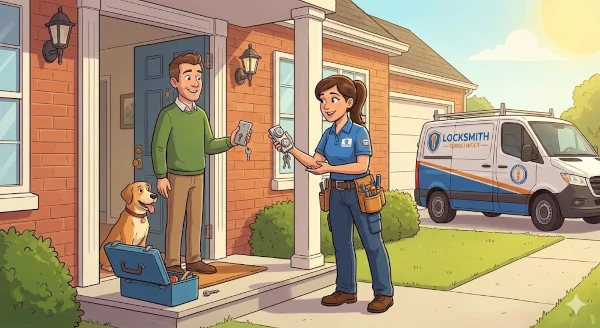
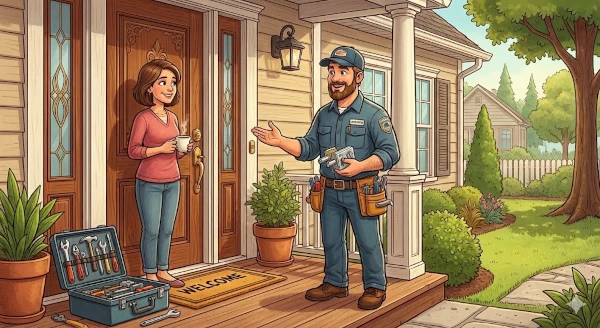
When the locksmith arrives at your home or vehicle, take a moment to observe how they work. Professional behavior often looks like this:
- The technician introduces themself and confirms the company name.
- They confirm the service and price range before starting work.
- They try non destructive methods before drilling or replacing a lock, when possible.
- They explain what they are doing in simple language if you ask.
You should never feel rushed or confused about what is happening. A good locksmith knows that clear communication is part of professional service.
Final thoughts and a calm approach
In an emergency lockout, it is easy to feel stressed and say yes to the first number you find online. Taking one extra minute to check the company name, ask about price and notice a few green or red flags can protect you from unpleasant surprises.
The goal is simple: a locksmith who arrives when promised, does the job correctly, charges a fair price and leaves you feeling safer, not more worried.
At VIP24 Locksmith, we focus on clear communication, transparent pricing and non destructive methods whenever possible.
Whether you need help right now or just have questions about your locks, our team is here to help you make calm, informed decisions about your security.